Driveway Concrete Polishing Benefits
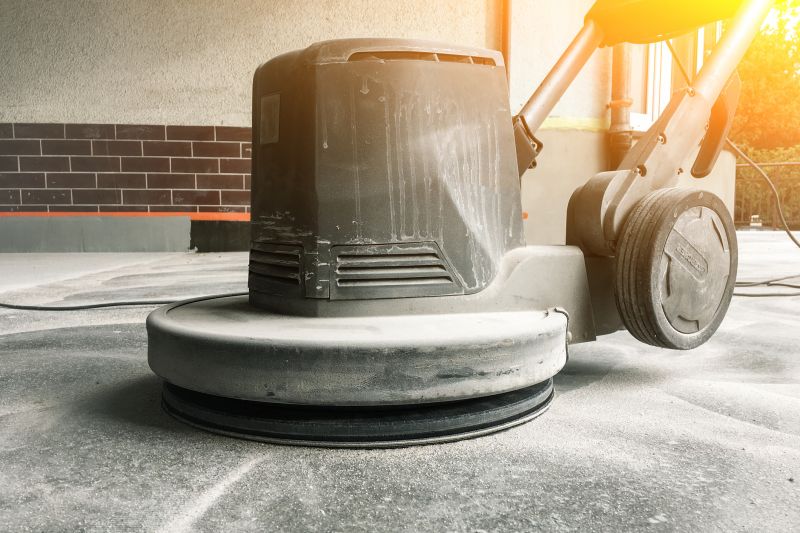
Proper surface preparation is essential before polishing to ensure durability and a high-quality finish.
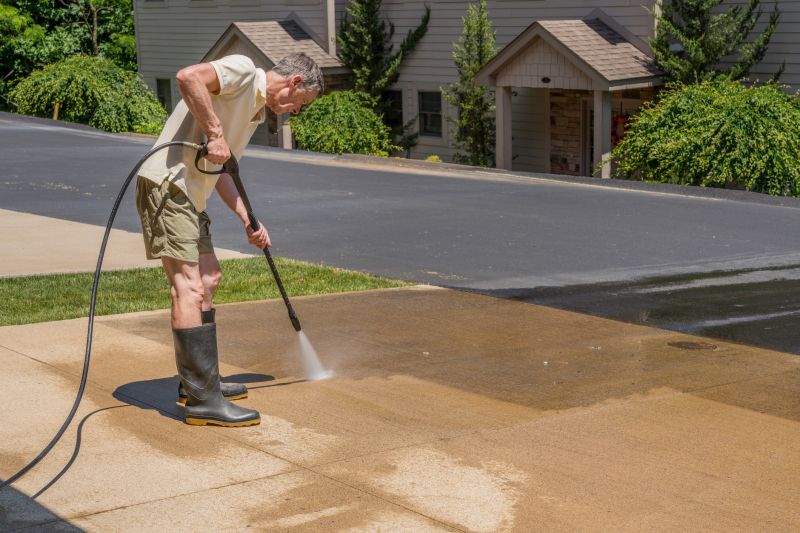
Spring and early summer often provide optimal weather for driveway polishing, avoiding extreme temperatures and moisture.
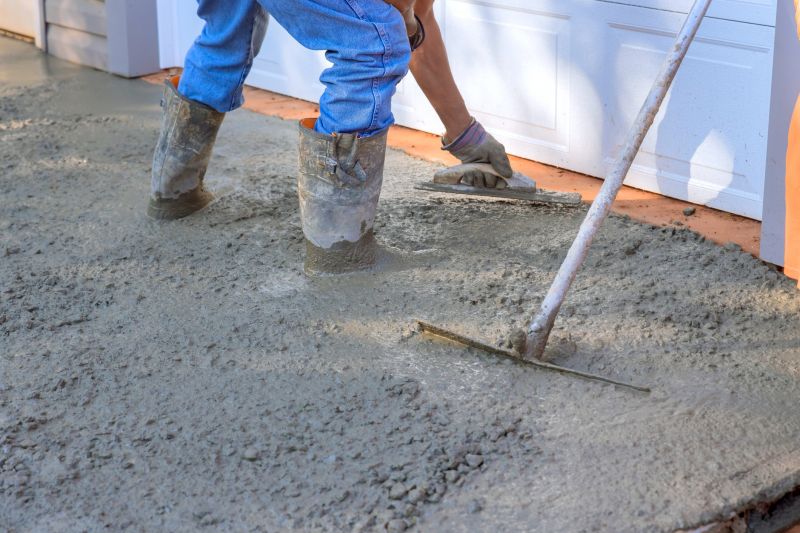
Avoid polishing during rainy or very humid periods to prevent moisture-related issues and ensure proper curing.
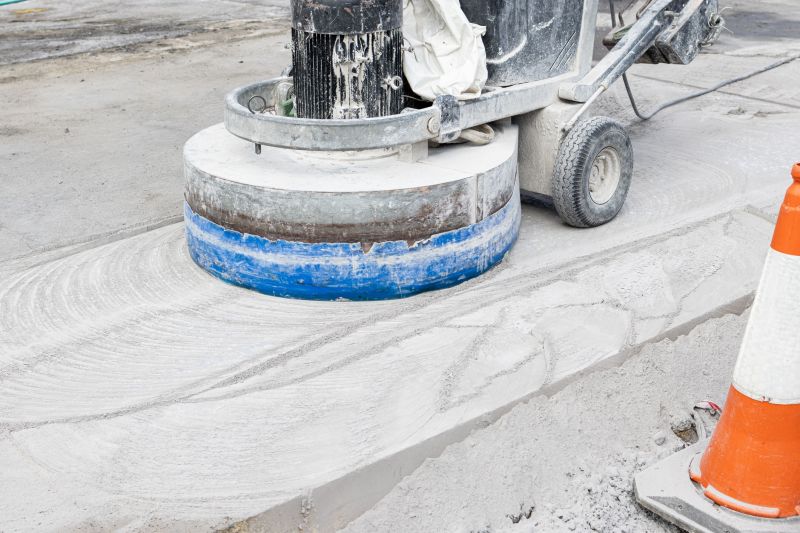
Ways to make Driveway Concrete Polishings work in tight or awkward layouts.

Popular materials for Driveway Concrete Polishings and why they hold up over time.

Simple add-ons that improve Driveway Concrete Polishings without blowing the budget.

High-end options that actually feel worth it for Driveway Concrete Polishings.

Finishes and colors that play nicely with Driveway Concrete Polishings.
Driveway concrete polishing enhances the appearance and longevity of concrete surfaces by creating a smooth, glossy finish. This process involves grinding the concrete surface with specialized equipment, progressively using finer abrasives to achieve the desired shine. Polished concrete driveways are resistant to stains, easier to maintain, and can significantly improve curb appeal. The process typically includes densifying the surface to increase hardness and durability, making it suitable for high-traffic areas. Proper timing and environmental conditions are crucial to achieving optimal results and ensuring the longevity of the polished surface.
Polished driveways offer enhanced aesthetics, increased durability, and easier maintenance compared to unpolished concrete.
Spring and early summer are preferred due to moderate temperatures and lower humidity, which facilitate proper curing and finishing.
Surface cleaning, repair, and moisture control are necessary steps before polishing to ensure quality results.
Driveways may require re-polishing every few years depending on traffic and wear.
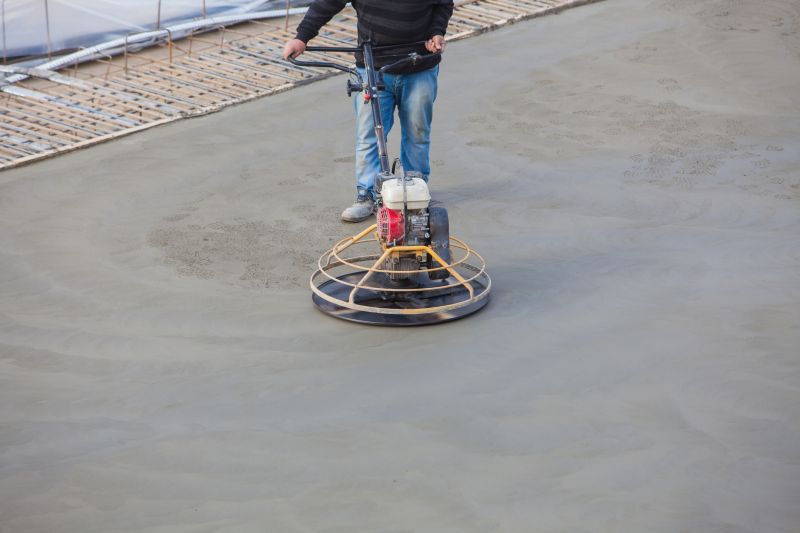
Advanced machinery ensures a consistent, high-gloss finish on concrete surfaces.
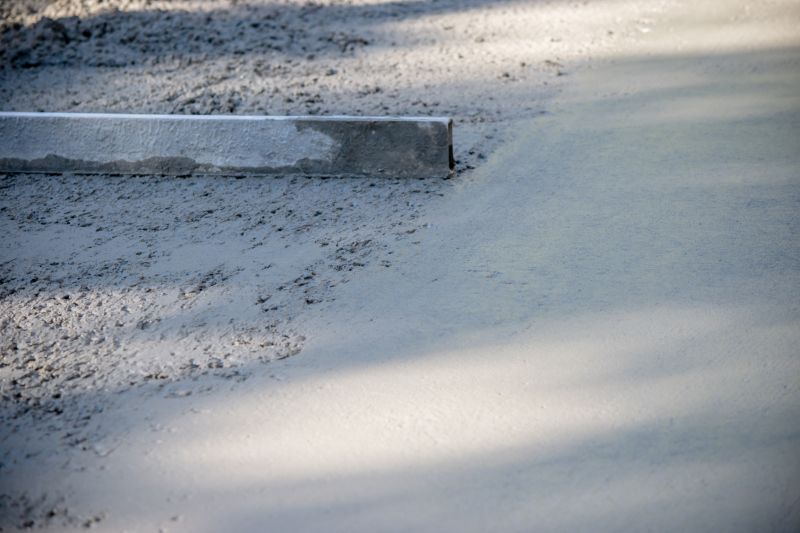
Showcasing a smooth, reflective driveway surface after polishing.
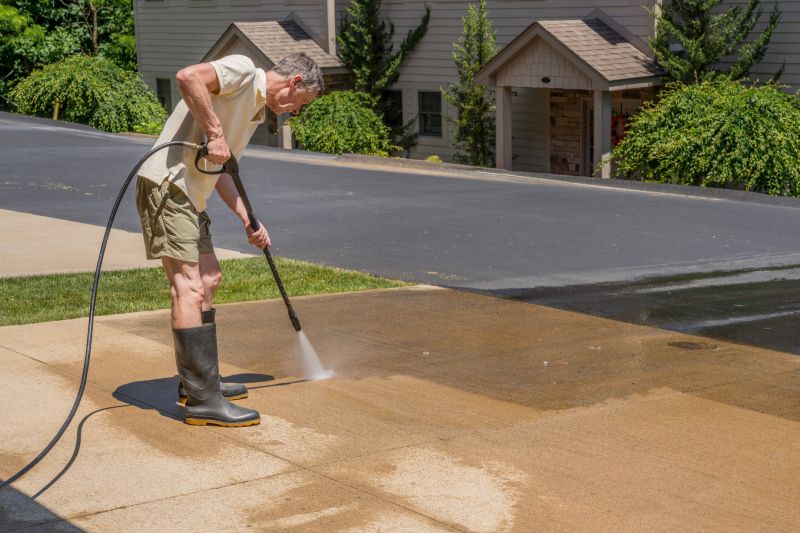
Image depicting ideal weather for driveway polishing.

Cleaning and repairing the driveway before polishing.

Close-up of reflective finish and smooth surface.

Routine cleaning to maintain the polished surface.
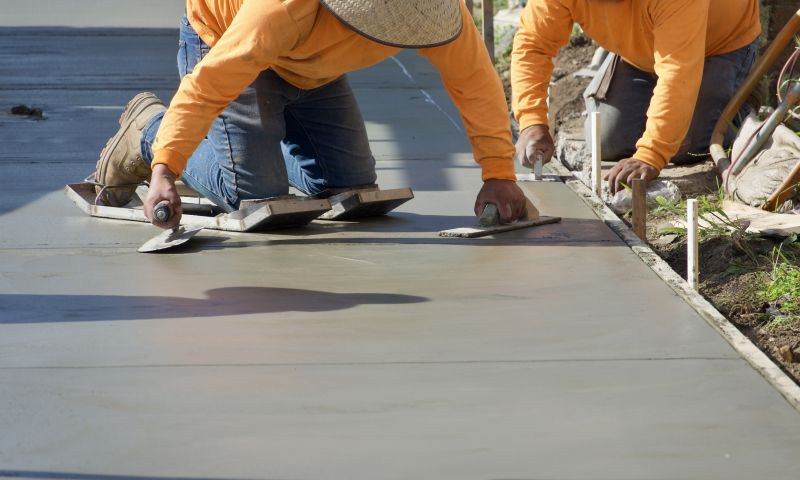
Driveway with high traffic, showing long-lasting shine.
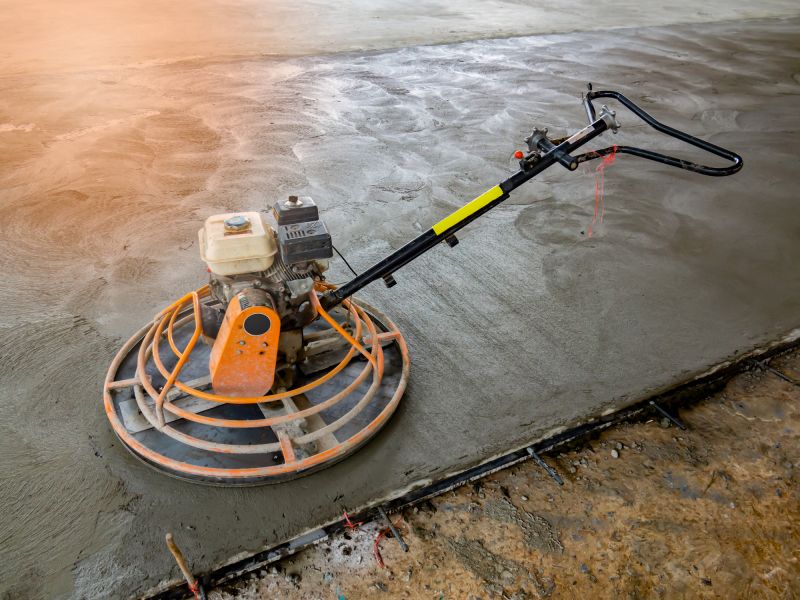
Technicians applying the polishing process.
| Aspect | Details |
|---|---|
| Optimal Season | Spring and early summer |
| Weather Conditions | Dry, moderate temperatures, low humidity |
| Temperature Range | 50°F to 85°F (10°C to 29°C) |
| Surface Moisture | Minimal moisture for best results |
| Timing for Repairs | Complete repairs before polishing |
| Curing Period | Allow concrete to cure fully before polishing |
| Temperature Extremes | Avoid during freezing or scorching heat |
| Preparation Time | Adequate surface prep for best finish |
Choosing the right time for driveway concrete polishings ensures a durable, attractive finish. Environmental factors such as temperature, humidity, and moisture levels directly influence the quality and longevity of the polished surface. Scheduling during seasons with mild weather conditions minimizes risks of surface defects and ensures proper curing. Proper preparation, including cleaning and repairing the driveway beforehand, is essential to achieve optimal results. Consulting with professionals can help determine the best timing based on local climate conditions and specific driveway characteristics.
Interested in enhancing the appearance and durability of a driveway through concrete polishing? Contact for more information or to schedule a consultation. Proper timing and professional execution can significantly extend the lifespan of the polished surface and improve curb appeal.